Arthur C. Clarkebooks in chronological order
Arthur C. Clarke (1917-2008) was a prolific British author and astronomer renowned for his pioneering work in science fiction. His writing style is characterized by meticulous scientific detail, philosophical exploration of humanity's place in the universe, and optimistic visions of space exploration and technology. Clarke began his career as a technical writer and astronomer before transitioning to writing, establishing himself as one of the genre's most influential figures. He achieved widespread recognition with landmark works like "2001: A Space Odyssey," a seminal story examining evolution, intelligence, and humanity's potential for transcendence. Clarke continued to produce numerous novels, short stories, and essays, consistently pushing the boundaries of science fiction while engaging with complex scientific and philosophical ideas.
Clarke's vast bibliography spans multiple subgenres and formats, including hard science fiction, philosophical fiction, and collections of short stories. He explored themes such as artificial intelligence, interstellar travel, the origins of life, and the future of humanity with a uniquely measured and thought-provoking approach. His influence extended beyond fiction, contributing to scientific understanding and public interest in space exploration. Throughout his career, he maintained a commitment to rigorous scientific accuracy and a belief in the potential of humanity to overcome challenges and achieve great things, solidifying his legacy as a cornerstone of modern science fiction.
Space Odyssey Books in chronological order


Rama Books in chronological order



A Time Odyssey Books in chronological order




Blue Planet Books in chronological order



Standalone Novels in chronological order


9. The Other Side of the Sky


13. The Lost Worlds Of 2001
















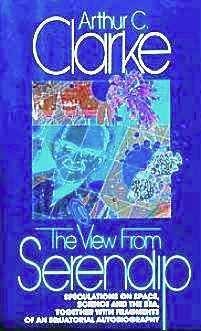


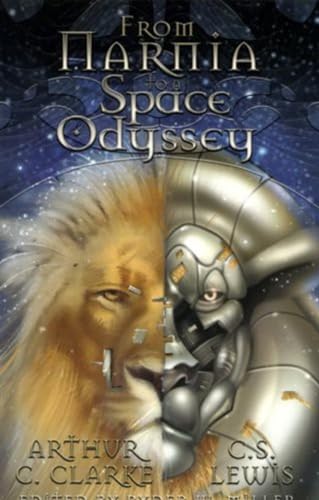

Short Story Collections in chronological order
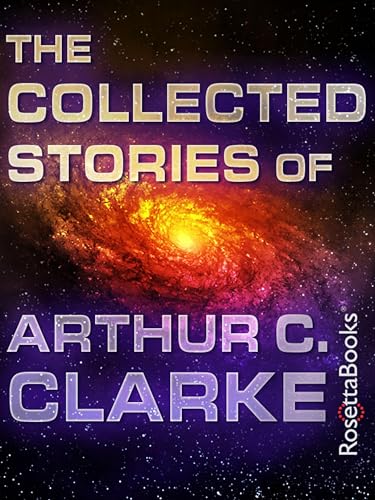
1. The Collected Stories of Arthur C. Clarke


6. Tales of Ten Worlds




11. The Wind From The Sun


Isaac Asimov's Anthology Books in chronological order


13. Isaac Asimov's Camelot (By: Isaac Asimov,Gardner Dozois,Eleanor Arnason)

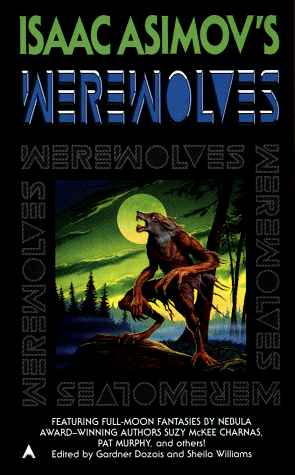
15. Isaac Asimov's Werewolves (By: Isaac Asimov,Suzy McKee Charnas,Gardner Dozois)


Anthologies in chronological order


2. Great Tales of Action and Adventure
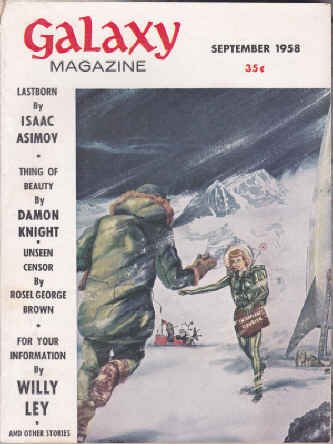


5. Novelets of Science Fiction

6. The Bedside Playboy


9. Futures Unlimited


11. Alpha 3
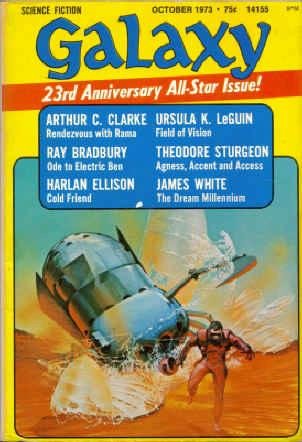
12. Galaxy Science Fiction - October 1973


18. They Came from Outer Space: 12 Classic Science Fiction Tales That Became Major Motion Pictures


20. The Arbor House Treasury of Modern Science Fiction / Great Science Fiction of the 20th Century


24. Fourth Planet from the Sun




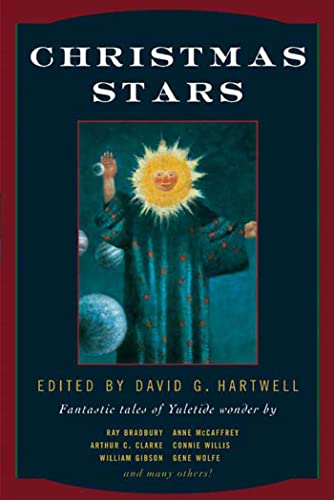


34. Explorers

35. The Hard SF Renaissance


37. The World Turned Upside Down

38. Galileo's Children
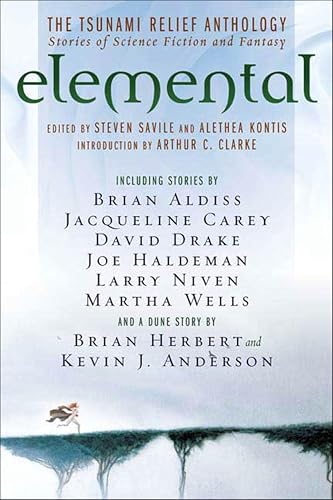
39. Elemental: The Tsunami Relief Anthology
40. The Mammoth Book of Mindblowing SF



44. Bug-Eyed Monsters & Bimbos

45. The Sixth Science Fiction Megapack

46. In Space No One Can Hear You Scream

47. The Ninth Science Fiction Megapack


50. Infinite Stars
53. The Movie Book
Star Science Fiction Books in chronological order
