Emile Zolabooks in chronological order
Émile Zola (1840-1902) was a pivotal figure in French literature, renowned as the principal practitioner of naturalism. This literary movement sought to portray the influence of heredity and environment on human behavior, often focusing on the lives of the working class and marginalized individuals. Zola’s writing style was characterized by meticulous detail, realistic depictions of social conditions, and a detached, scientific approach to storytelling. Initially a journalist, Zola transitioned to novel writing, swiftly gaining recognition for his unflinching portrayals of contemporary society. His ambitious "Rougon-Macquart" series of twenty novels, chronicling the lives of a single family across several generations, established him as a leading social critic and a powerful force in 19th-century realism.
Four Social Romances Books in chronological order


Rougon-Macquart Books in chronological order


3. The Belly of Paris / The Fat and the Thin


5. The Sin of Father Mouret / The Sinful Priest / Abbe Mouret's Transgression




14. The Masterpiece / His Masterpiece




Three Cities Books in chronological order




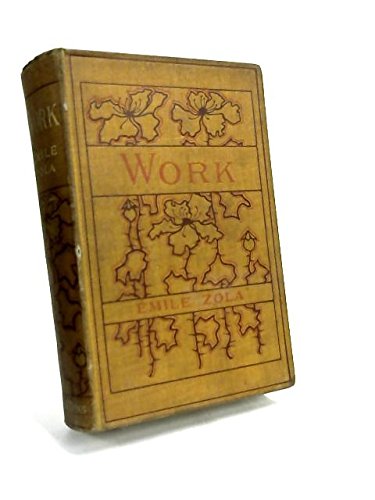


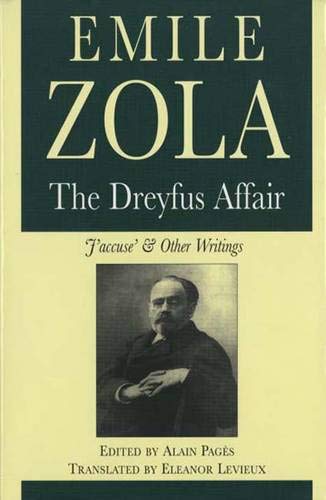
Non-Fiction Books in chronological order



The Year of the Cat Books in chronological order









Anthologies in chronological order



4. The Dover Anthology of Cat Stories

5. Writers: Their Lives and Works
