Gabriel García Márquezbooks in chronological order
Gabriel García Márquez was a Colombian novelist and journalist, widely regarded as one of the most significant writers of the 20th century. Born in Aracataca, Colombia, in 1927, his childhood experiences, particularly his time spent with his maternal grandparents, profoundly shaped his writing. Márquez is best known for his masterful use of "magical realism," a style blending fantastical elements with realistic depictions of Latin American life, often exploring themes of family, history, and the cyclical nature of time. His work was heavily influenced by his journalism, and he frequently combined historical fiction with personal narratives.
Márquez’s most famous work, One Hundred Years of Solitude (1967), chronicles the multi-generational story of the Buendía family in the fictional town of Macondo, offering a sweeping and allegorical representation of Colombian and Latin American history. He continued to produce acclaimed novels, short stories, and novellas throughout his career, including Love in the Time of Cholera and Chronicle of a Death Foretold. His legacy is cemented by the Nobel Prize in Literature he received in 1982, recognizing his distinctive contribution to world literature.
Standalone Novels in chronological order

1. One Hundred Years of Solitude


9. Of Love and Other Demons


12. Until August (With: Anne McLean)
Short Stories/Novellas in chronological order

1. Big Mama’s Funeral

3. Death Constant Beyond Love


Non-Fiction Books in chronological order


The Last Interview Books in chronological order


3. Kurt Vonnegut (By: Kurt Vonnegut Jr.)

4. Jorge Luis Borges (By: Jorge Luis Borges)

5. Hannah Arendt (By: Hannah Arendt)

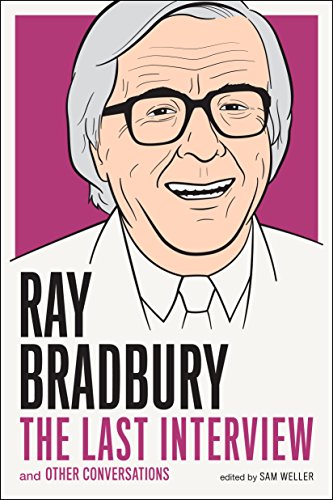
8. Ray Bradbury (By: Ray Bradbury,Sam Weller)

9. Gabriel García Márquez

10. Lou Reed (By: Lou Reed)

11. Ernest Hemingway (By: Ernest Hemingway)

12. Nora Ephron (By: Nora Ephron)
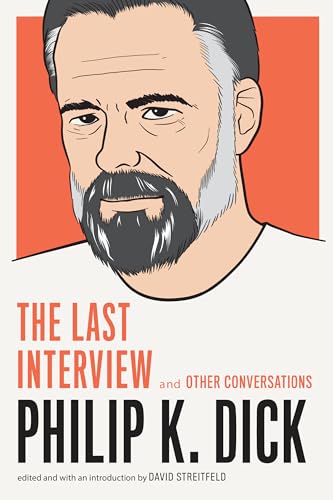
13. Philip K. Dick (By: Philip K. Dick)

14. J. D. Salinger (By: J.D. Salinger)

15. Oliver Sacks (By: Oliver Sacks)

16. Jane Jacobs (By: Jane Jacobs)
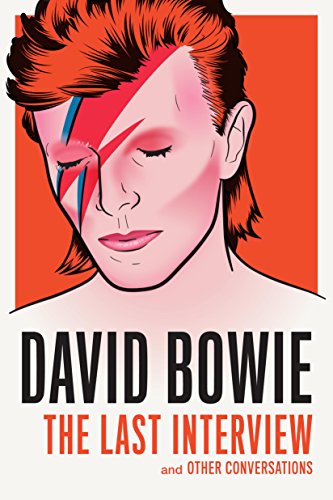
17. David Bowie (By: David Bowie)


20. Hunter S. Thompson (By: Hunter S. Thompson)

21. Kathy Acker (By: Kathy Acker)
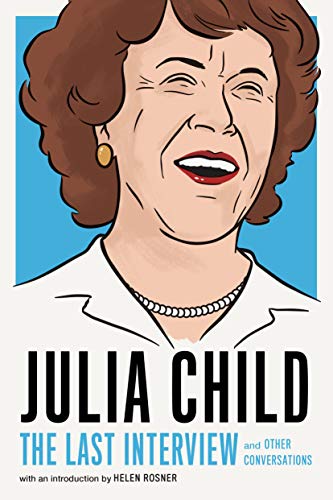
22. Julia Child (By: Julia Child)

23. Ursula K. Le Guin (By: Ursula K. Le Guin)

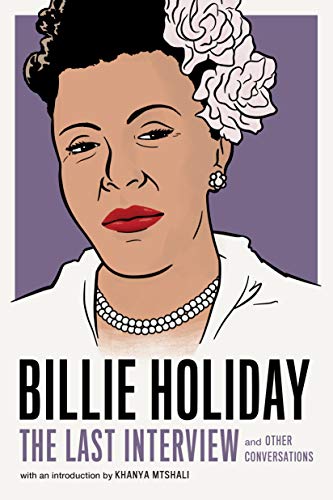
25. Billie Holiday (By: Billie Holiday)


28. Toni Morrison (By: Toni Morrison)
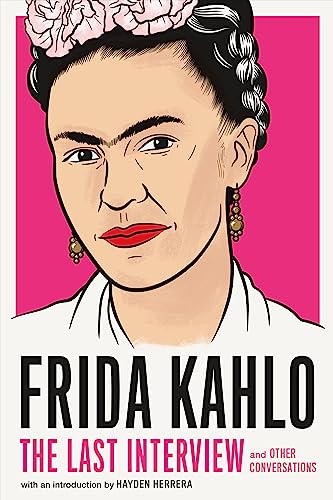
29. Frida Kahlo (By: Frida Kahlo)