John Le Carrebooks in chronological order
John le Carré, born David Cornwell in 1931, revolutionized spy fiction with his realistic and morally ambiguous portrayals of intelligence operatives. Initially working as an interpreter for Her Majesty's Secret Service during World War II, he honed his skills in espionage and later transitioned to writing, establishing a distinctive style marked by complex characters grappling with ethical dilemmas within the shadowy world of international intelligence. Le Carré deliberately moved away from the glamorous, gadget-filled adventures of James Bond, favoring nuanced narratives that explored the psychological toll of espionage and the often-blurred lines between good and evil. His meticulous research and focus on political intrigue have cemented his place as a literary giant of the genre.
Le Carré's career began with mystery novels featuring the iconic George Smiley, establishing a series characterized by a retired spy navigating morally grey situations. His early works, such as Call for the Dead (1961) and A Murder of Quality (1962), showcased his knack for intricate plots and compelling, flawed characters. As his career progressed, he created a vast body of work, exploring themes of betrayal, disillusionment, and the human cost of secrets, often questioning the motives of governments and exposing the consequences of Cold War politics.



Chronological Order of George Smiley Books in chronological order


The Karla Trilogy Books in chronological order



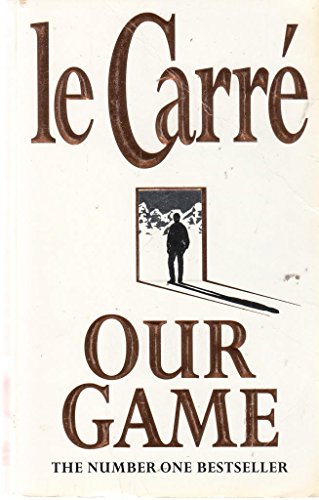






John le Carr Short Story Collections in chronological order


Non-Fiction Books in chronological order



Anthologies in chronological order