Margaret Atwoodbooks in chronological order
Margaret Atwood is a highly acclaimed Canadian author best known for her speculative fiction, poetry, and critical essays. Beginning her career with novels like The Edible Woman (1969) and Surfacing (1979), Atwood quickly established herself as a significant voice in contemporary literature, often exploring themes of gender, power, and environmentalism. Her writing style is characterized by its precise prose, psychological depth, and unsettling visions of dystopian futures, most famously exemplified by The Handmaid’s Tale (1985). Atwood's works frequently blend realism with fantastical elements, creating a uniquely unsettling and thought-provoking experience for the reader.
Atwood has garnered numerous awards and accolades throughout her career, including the Booker Prize, the Governor General's Award, and the Arthur C. Clarke Award. She is particularly recognized for her innovative use of narrative techniques, often employing multiple perspectives and intricate timelines to build complex and layered stories. Her later works, such as the MaddAddam trilogy (2003-2013), expanded her reach into science fiction and further cemented her status as one of the world's most important and influential writers. Her works frequently grapple with issues of ecological disaster, technological advancement, and the precariousness of human existence.
The Handmaid's Tale Books in chronological order


Angel Catbird Graphic Novels in chronological order


MaddAddam Books in chronological order


Standalone Novels in chronological order



Short Stories/Novellas in chronological order

1. Happy Endings














Non-Fiction Books in chronological order









15. Dire Cartographies



18. Book of Lives
Picture Books in chronological order


Graphic Novels in chronological order

Canongate's The Myths Books in chronological order

1. A Short History of Myth (By: Karen Armstrong)


3. The Penelopiad
4. Weight (By: Jeanette Winterson)
5. The Helmet of Horror (By: Victor Pelevin)

6. Where Three Roads Meet (By: Salley Vickers)

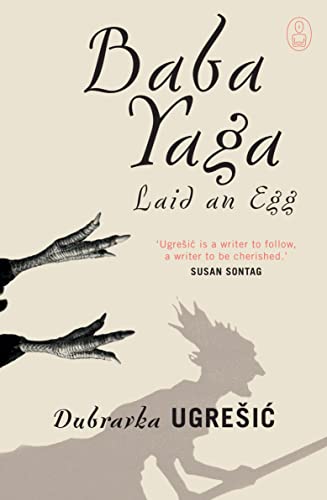

Hogarth Shakespeare Books in chronological order


Naomi Alderman Short Stories/Novellas in chronological order
European Studies in North American Literature and Culture Books in chronological order


Anthologies in chronological order

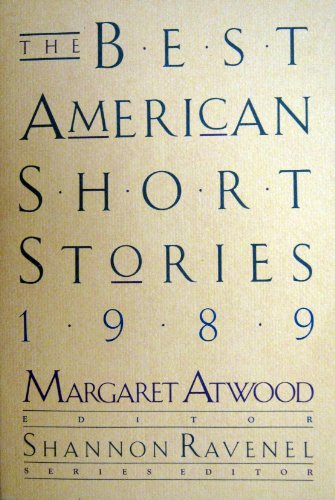


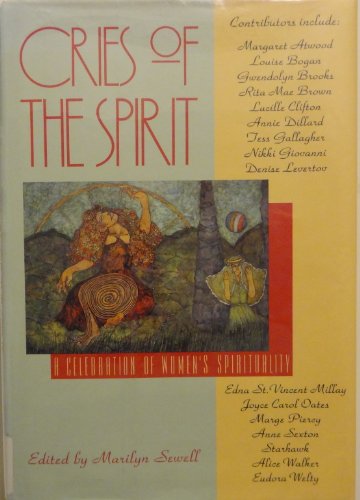


8. Ploughshares Winter 1993-94

9. Minding the Body

10. First Fiction: An Anthology of the First Published Stories by Famous Writers


14. Wild Women


16. Mirror, Mirror on the Wall
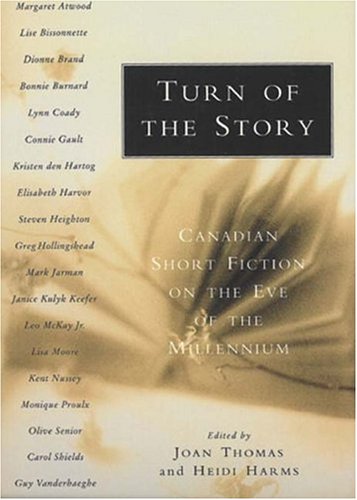
17. Turn of the Story: Canadian Short Fiction on the Eve of the Millennium





26. The Scotiabank Giller Prize 15 Years: An Anthology of Prize-Winning Canadian Fiction.


30. Half-Minute Horrors


32. I'm With the Bears


35. Loosed Upon the World

36. The Secret Loves of Geek Girls
37. First Light: A Celebration of Alan Garner

38. Freeman's Power


41. Furies

43. Points of View

47. Imaginarium 4
Short Stories Books in chronological order
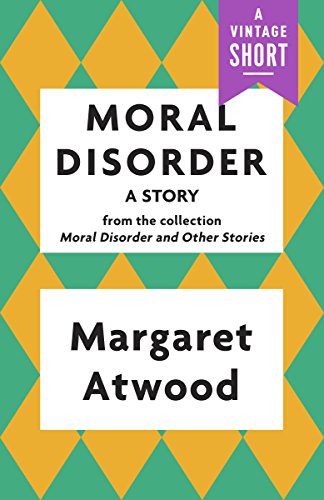
1. Moral Disorder

2. The Bad News

4. Two Scorched Men
