Pearl S. Buckbooks in chronological order
Pearl S. Buck (1892-1973) was an American writer and humanitarian best known for her impactful depictions of rural China and its people. Born Pearl Comfort Sydenstricker Buck in Pennsylvania, she initially worked as a teacher before dedicating herself to writing. Her career took off with the phenomenal success of "The Good Earth" (1931), a novel about a Chinese farmer's family that became the best-selling book in the United States that year and earned her the Pulitzer Prize. Buck's writing style was characterized by its vivid realism and a profound empathy for the lives and struggles of ordinary people, particularly those in Asia. She skillfully blended cultural details with universal themes of family, love, and resilience.
Throughout her career, Buck produced a vast body of work, including novels, short stories, and non-fiction, often exploring themes of social justice and the human condition. She received numerous accolades for her work, including multiple National Book Awards and a Nobel Prize in Literature in 1938, making her the first American woman to receive this honor. Buck's dedication to understanding and portraying Asian cultures contributed significantly to broadening perspectives on the region and its people during the 20th century.
House Of Earth Books in chronological order


Standalone Novels in chronological order


5. The Patriot


10. The Long Love (As: John Sedges)
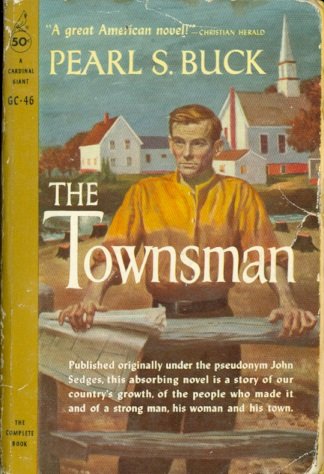


14. The Angry Wife


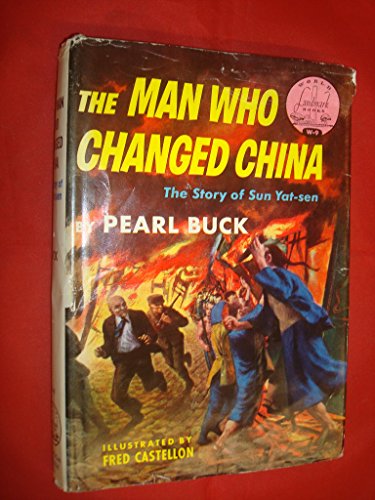

22. Come, My Beloved


24. China Sky
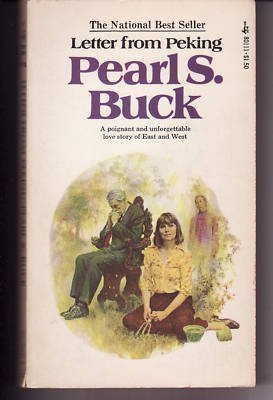

26. Command the Morning



32. Matthew, Mark, Luke and John


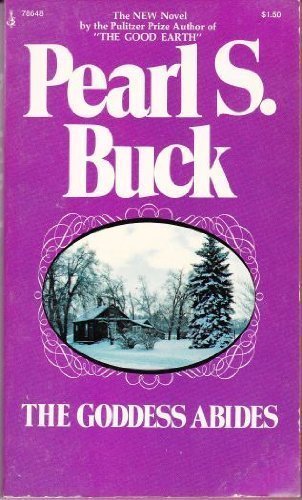


40. Far and Near




Short Story Collections in chronological order

1. The First Wife and Other Stories

2. Today and Forever: Stories of Japan

4. One Bright Day and Other Stories for Children

5. Fourteen Stories


7. To My Daughters, With Love




12. A Gift for the Children (With: Elaine Scull)







Non-Fiction Books in chronological order

1. The Exile
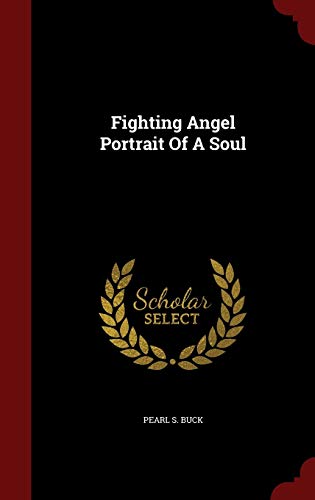

3. The Chinese Novel
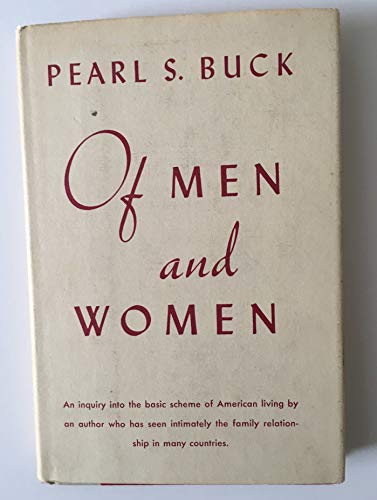



7. American Argument

8. My Several Worlds


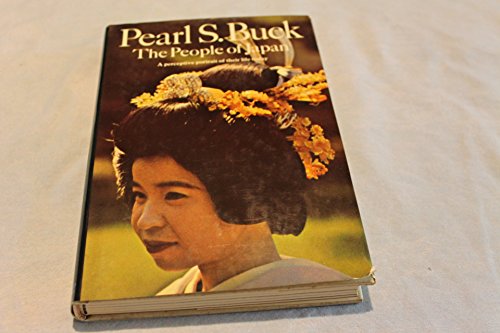


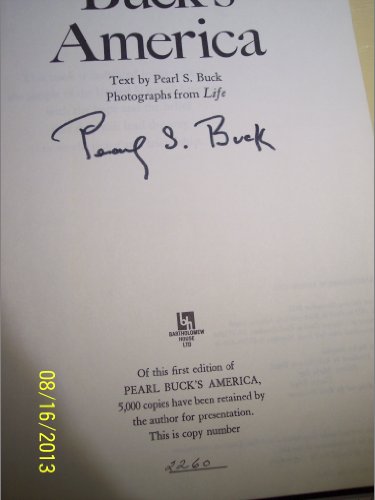
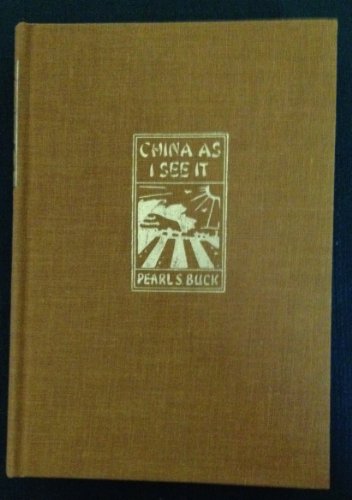
16. China As I See It


18. American Unity and Asia




Anthologies in chronological order

2. Fairy Tales of the Orient


4. The Clay Marble, with, Connections

Au bord de l'eau Books in chronological order

