Louisa May Alcottbooks in chronological order
Louisa May Alcott, born in 1832, was an American novelist and short story writer renowned for her poignant and enduring family stories, most notably Little Women (1868). Growing up in a family deeply involved in Transcendentalist thought – her father, Amos Bronson Alcott, was a prominent figure in the movement – profoundly shaped her writing. Alcott’s works often explored themes of family, sisterhood, self-reliance, and the challenges faced by women in 19th-century America. Her style was characterized by its realistic portrayal of everyday life, strong female characters, and moral lessons delivered with warmth and humor. Despite initial struggles to gain recognition, Alcott eventually achieved widespread success, particularly through Little Women, which continues to resonate with readers of all ages.
Alcott's prolific output extended beyond Little Women to encompass numerous sequels, short stories, and other works. Her later writings, such as Jo's Boys and Aunt Jo's Scrap Bag, further solidified her position as a beloved author. She also penned non-fiction works, including Civil War Hospital Sketches, offering insightful observations of her experiences during the conflict. Alcott's legacy is firmly rooted in her honest and relatable depictions of family life and her enduring celebration of female strength and resilience.
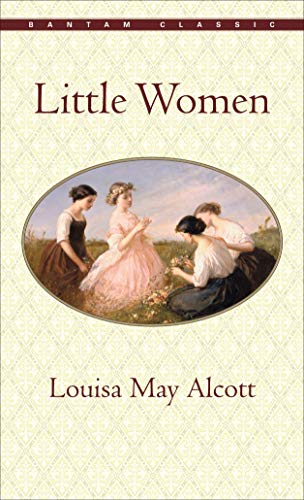
Little Women Books in chronological order


Aunt Jo's Scrap Bag Books in chronological order



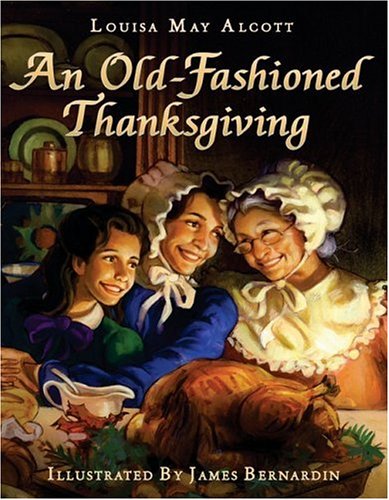

Standalone Novels in chronological order




Collections in chronological order









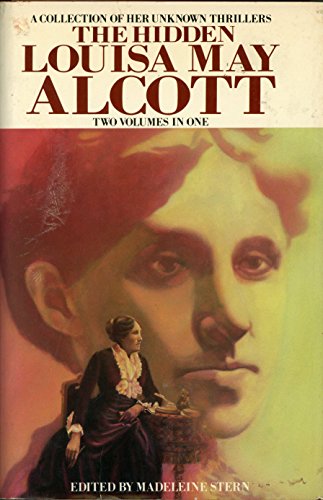


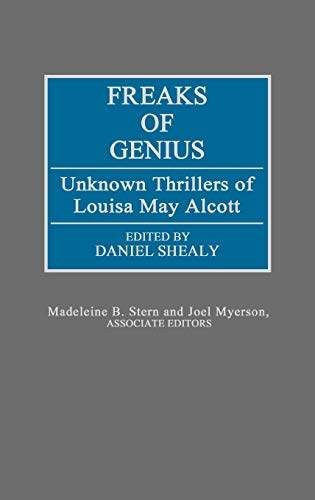
20. Freaks of Genius: Unknown Thrillers of Louisa May Alcott (With: Daniel Shealy)

21. Louisa May Alcott's Fairy Tales and Fantasy Stories (With: Daniel Shealy)


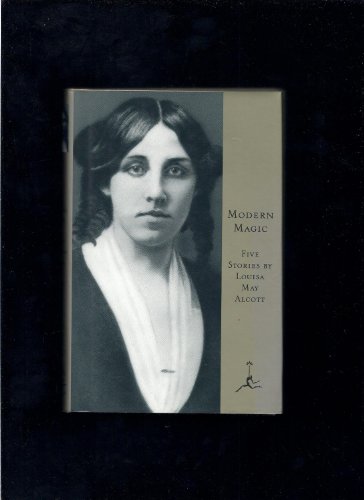


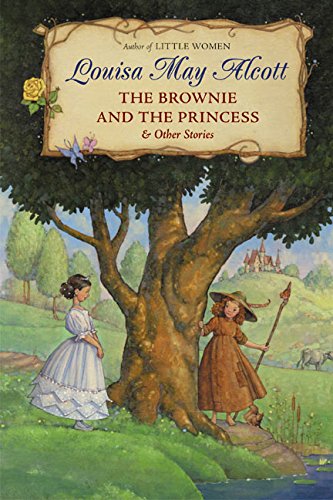



Chapbooks in chronological order




Short Stories/Novellas in chronological order


















Graphic Classics Books in chronological order

1. Graphic Classics, Volume 9: Robert Louis Stevenson (By: Tom Pomplun,Michael Slack)


3. Graphic Classics, Vol. 6 (By: Tom Pomplun)
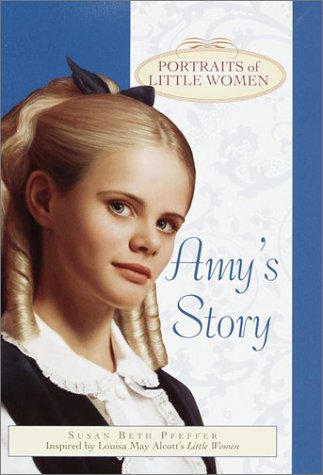
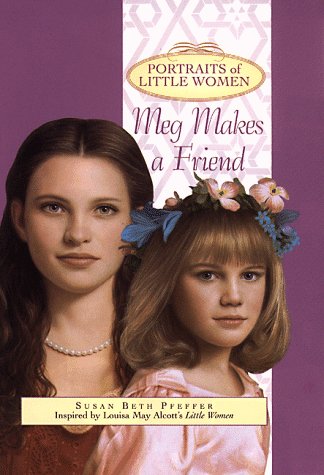
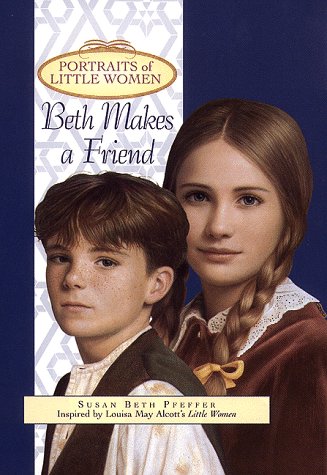
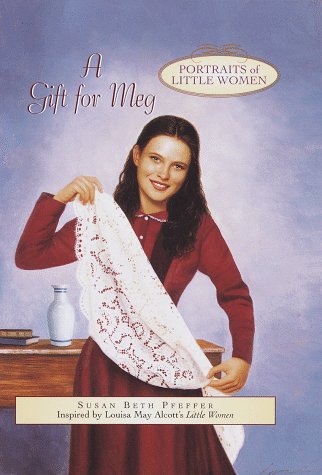
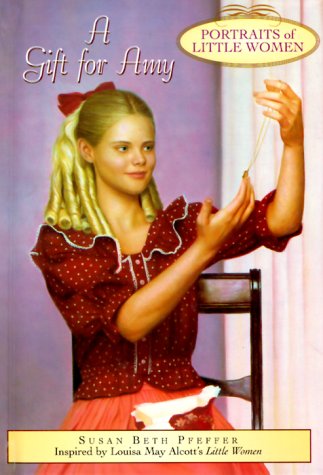
Portraits of Little Women Books in chronological order