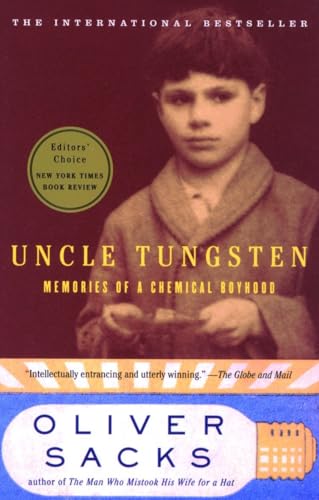
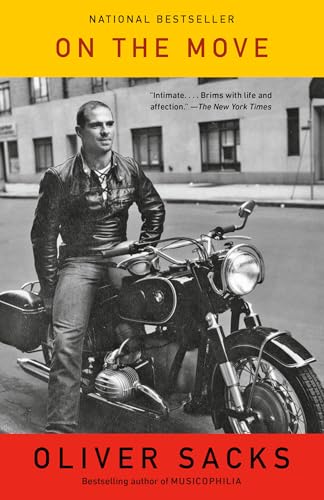
Oliver Sacksbooks in chronological order
Oliver Sacks (1933-2015) was a British neurologist, naturalist, and writer renowned for his compassionate and insightful case studies of individuals with neurological disorders. Born in London, Sacks developed a unique approach to medicine, prioritizing the patient's subjective experience and drawing connections between neurological conditions and broader themes of human consciousness and perception. His writing style is characterized by a blend of scientific rigor and literary sensitivity, often employing evocative language and personal anecdotes to illuminate the complexities of the human mind. Sacks’s most famous works explore the impact of neurological conditions on identity, memory, and sensory experience, offering profound reflections on the nature of being human.
Sacks gained widespread recognition for his book The Man Who Mistook His Wife for a Hat (1985), which introduced readers to his approach of documenting patients' detailed accounts of their experiences. He continued to publish influential works such as Awakenings (1995), a Pulitzer Prize-winning account of his work with patients with encephalitis lethargica, and Musicophilia (2001), which investigated the neurological basis of musical experience. His writing has had a significant impact on both the medical and literary communities, fostering a deeper understanding of neurological conditions and the human capacity for adaptation and resilience.

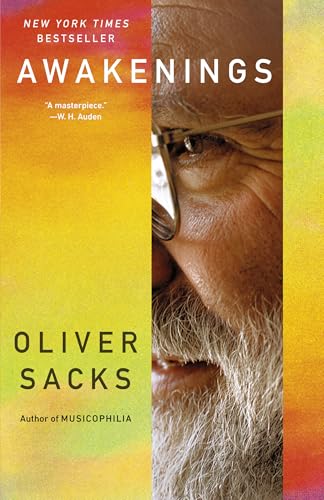

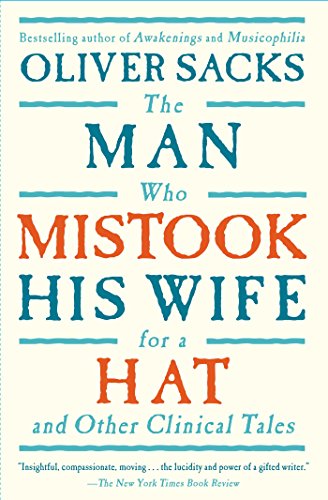


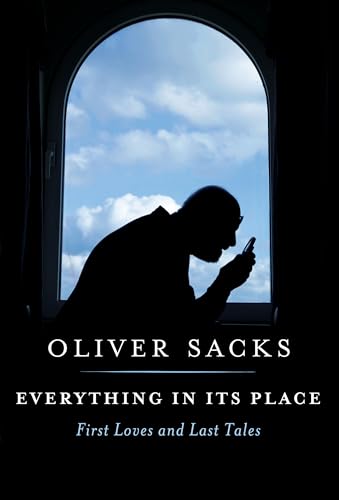


Publication Order of' Memoirs Books in chronological order

Best American Science Writing Books in chronological order

1. The Best American Science Writing 2003 (With: Joseph D'Agnese,Jesse Cohen)
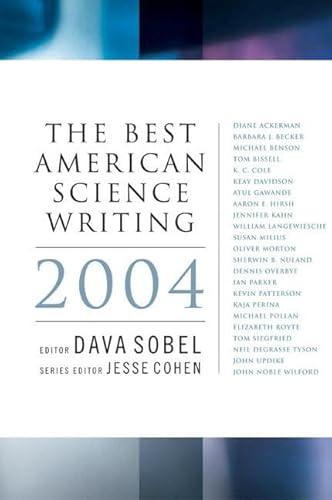

3. The Best American Science Writing 2005 (By: Jesse Cohen,Alan Lightman)

4. The Best American Science Writing 2006 (By: Jesse Cohen,Atul Gawande)


6. The Best American Science Writing 2008 (By: Jesse Cohen,Sylvia Nasar,Jerome Groopman)

7. The Best American Science Writing 2009 (By: Jesse Cohen,Natalie Angier)

8. The Best American Science Writing 2010 (By: Jesse Cohen,Jerome Groopman)


10. The Best American Science Writing 2012 (By: Jesse Cohen,Michio Kaku)
The Last Interview Books in chronological order


3. Kurt Vonnegut (By: Kurt Vonnegut Jr.)

4. Jorge Luis Borges (By: Jorge Luis Borges)

5. Hannah Arendt (By: Hannah Arendt)
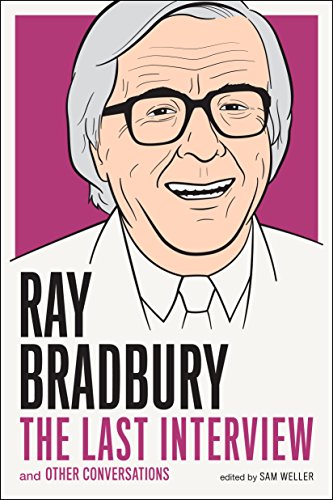
8. Ray Bradbury (By: Ray Bradbury,Sam Weller)


10. Lou Reed (By: Lou Reed)

11. Ernest Hemingway (By: Ernest Hemingway)

12. Nora Ephron (By: Nora Ephron)
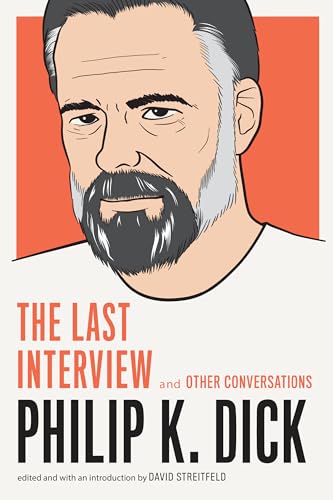
13. Philip K. Dick (By: Philip K. Dick)

14. J. D. Salinger (By: J.D. Salinger)

15. Oliver Sacks

16. Jane Jacobs (By: Jane Jacobs)
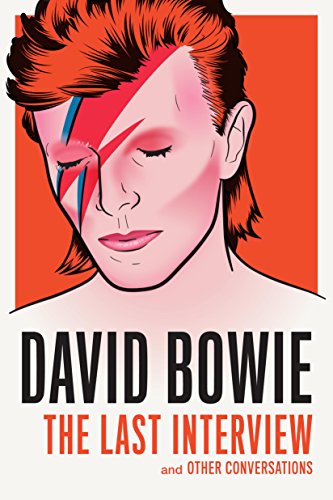
17. David Bowie (By: David Bowie)


20. Hunter S. Thompson (By: Hunter S. Thompson)

21. Kathy Acker (By: Kathy Acker)

22. Julia Child (By: Julia Child)

23. Ursula K. Le Guin (By: Ursula K. Le Guin)

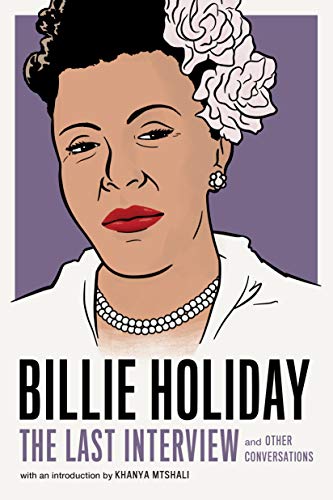
25. Billie Holiday (By: Billie Holiday)


28. Toni Morrison (By: Toni Morrison)
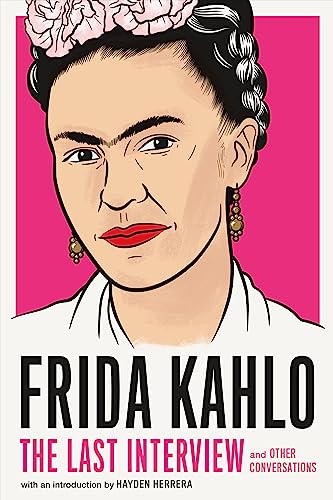
29. Frida Kahlo (By: Frida Kahlo)





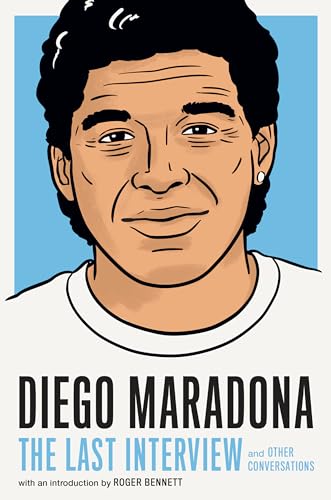


41. Octavia E. Butler (By: Melville House)
43. Roberto Bolaño: The Last Interview: And Other Conversations (By: Roberto Bolaño)
45. Jorge Luis Borges (By: Jorge Borges)


54. Graham Greene: The Last Interview: and Other Conversations (By: Graham Greene)
57. Shirley Chisholm: The Last Interview: and Other Conversations (By: Barbara Lee,Shirley Chisholm)
58. Fred Rogers: The Last Interview: and Other Conversations (By: Fred Rogers)
59. Johnny Cash: The Last Interview: and Other Conversations (By: Johnny Cash)
60. John Lewis: The Last Interview and Other Conversations (By: Melville House)
61. Janet Malcolm: The Last Interview: And Other Conversations (By: Melville House)
62. Kurt Cobain: The Last Interview: and Other Conversations (By: Melville House)